Moving to Denmark: A Relocation Guide for Expats
Denmark consistently ranks among the best countries in the world to live and work. It has a strong economy and job market, low crime, world-class healthcare and education, and a culture built around trust, work-life balance and the famous sense of hygge. For all its strengths, the first few weeks can feel bureaucratic, because almost everything – your salary, your phone, your doctor – hinges on getting registered correctly. This guide walks you through the essential steps in the right order so you can settle in smoothly.
First steps: registration, CPR and MitID
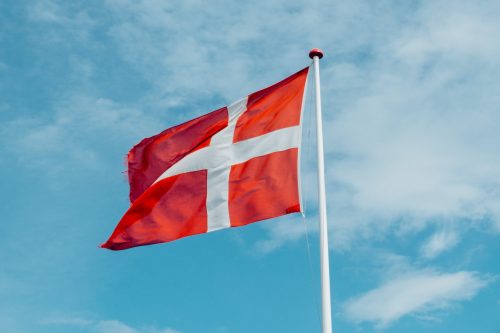 Your first job as a newcomer is to get registered, because it unlocks everything else. EU/EEA citizens can live and work in Denmark freely but must register their residence; non-EU nationals arrange a residence and work permit first. You register with your local municipality (the International Citizen Service offices in Copenhagen, Aarhus, Odense and Aalborg are set up to help internationals), and in return you receive your CPR number – the ten-digit personal ID that follows you through daily life.
With a CPR you can request MitID, the national digital ID used to log in to your bank, public services and much more, and you are issued the yellow health card (sundhedskort) that registers you with a local doctor and gives access to Denmark’s public healthcare. Getting these three – CPR, MitID and the health card – sorted early makes every later step far easier.
Money: opening a bank account
Once you have a CPR number you can open a Danish bank account, which you will need to receive your salary and set up a NemKonto for any payments from the authorities. Denmark is almost entirely cashless: day to day you will pay with a Dankort (the national debit card) and MobilePay, which is used everywhere from supermarkets to splitting a bill with friends. Our guide to banking in Denmark explains how to choose a bank and open an account as a newcomer.
Staying connected: mobile and internet
Roaming on your home number gets expensive quickly, so arrange a local plan early. Coverage across Denmark is excellent, and a monthly SIM-only plan is usually the best value once you have a CPR; for a short stay, a no-contract prepaid SIM is simpler. See our guide to mobile operators for the best options. For your home, fast fibre and cable are widely available in the cities, and our guide to internet in Denmark compares providers and connection types.
Setting up your home
Finding somewhere to live is often the hardest part, especially in Copenhagen and Aarhus where demand is high, so start early and be ready to move fast. Once you have a place, arrange your electricity supplier – note that most Danish homes are heated by district heating (fjernvarme) rather than gas. It is also wise to take out home contents insurance (indboforsikring), which covers your belongings and usually includes personal liability, whether you rent or own; see our guide to home insurance in Denmark.
Work, security and everyday life
Danish working life is known for flexibility, short hours and a flat, informal culture where colleagues are on first-name terms with the boss. If you are employed, it is worth joining an a-kasse, the voluntary unemployment fund that pays a benefit (dagpenge) if you lose your job. Most Danes speak excellent English, but learning some Danish helps you settle in and build friendships – and the state often funds language classes for internationals. Everyday life leans on cycling, trust and a healthy work-life balance, which is a big part of why Denmark scores so highly for wellbeing.
Exploring Denmark
Beyond the practicalities, Denmark is a wonderful place to explore – from the historic streets and harbours of Copenhagen to breathtaking coastlines, world-class museums and Viking history.
With registration, money and a home sorted, the rest falls into place quickly – and you can start enjoying everything that makes Denmark one of the best places in the world to live.